IECA Orlando 2026 Conference – CubeLogic Moderatates Panel
Event Recap
Market Shocks and the Consequences of Not Being Prepared: Takeaways from IECA 2026
Nobody can predict the next market shock. What firms can control is how quickly and confidently they react when one hits.
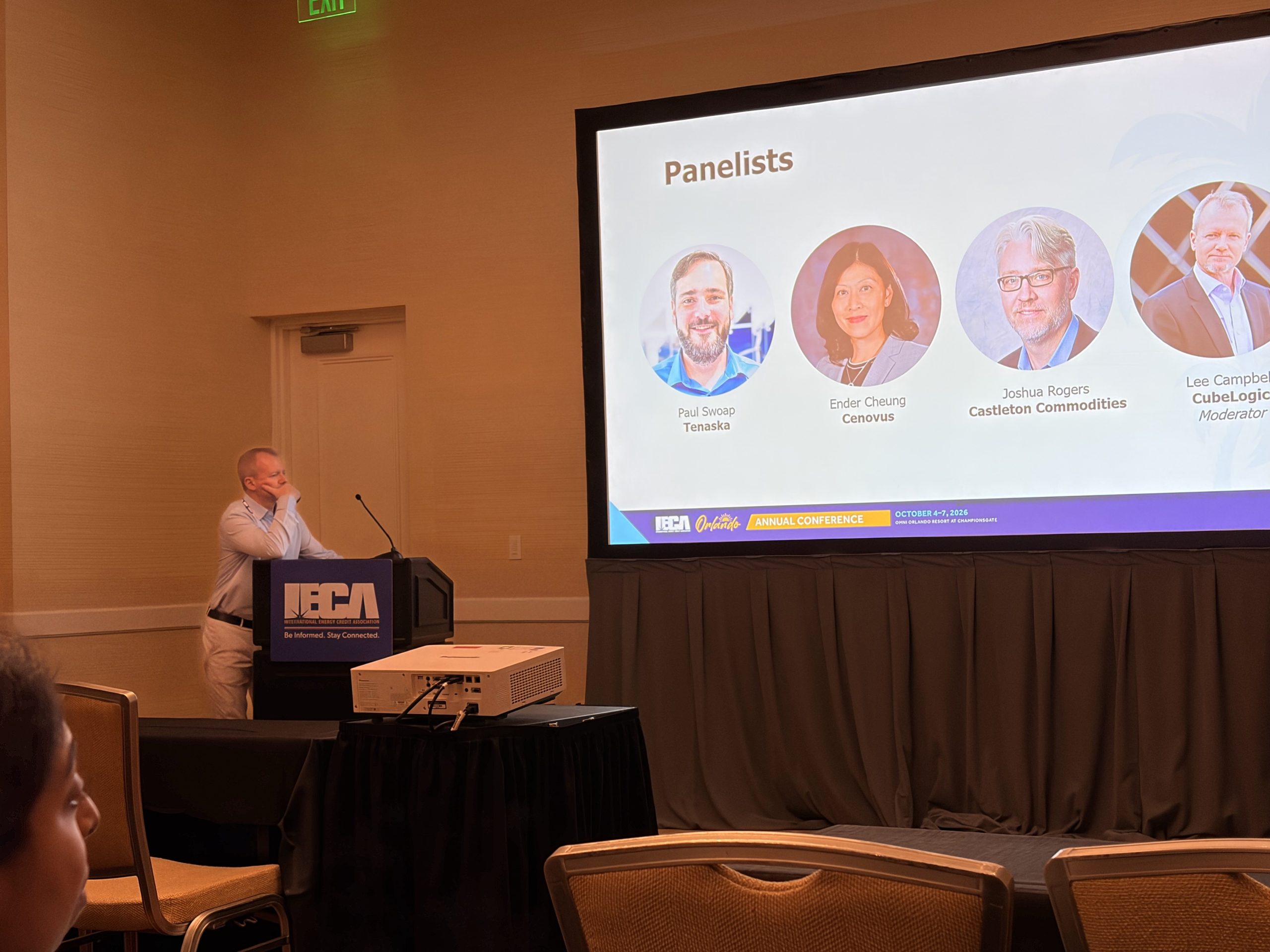
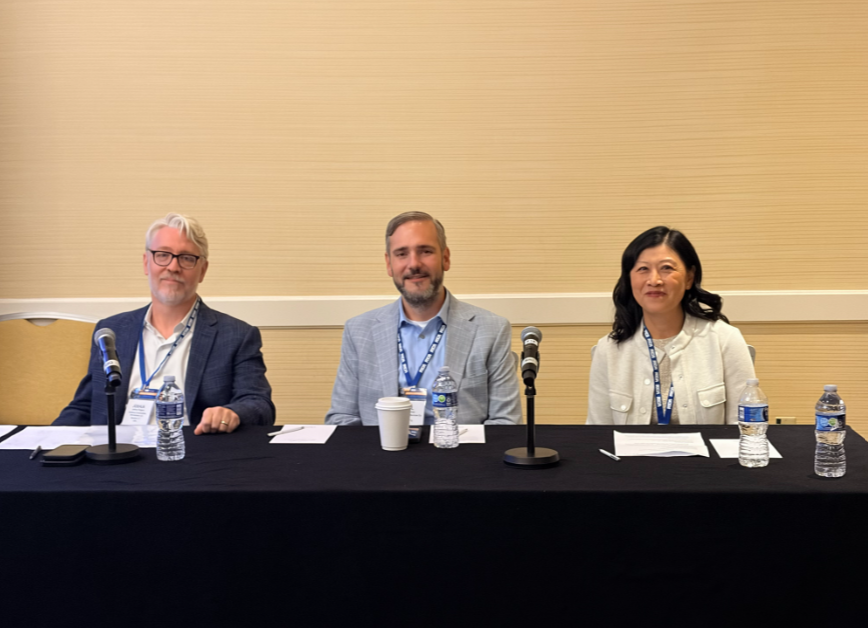
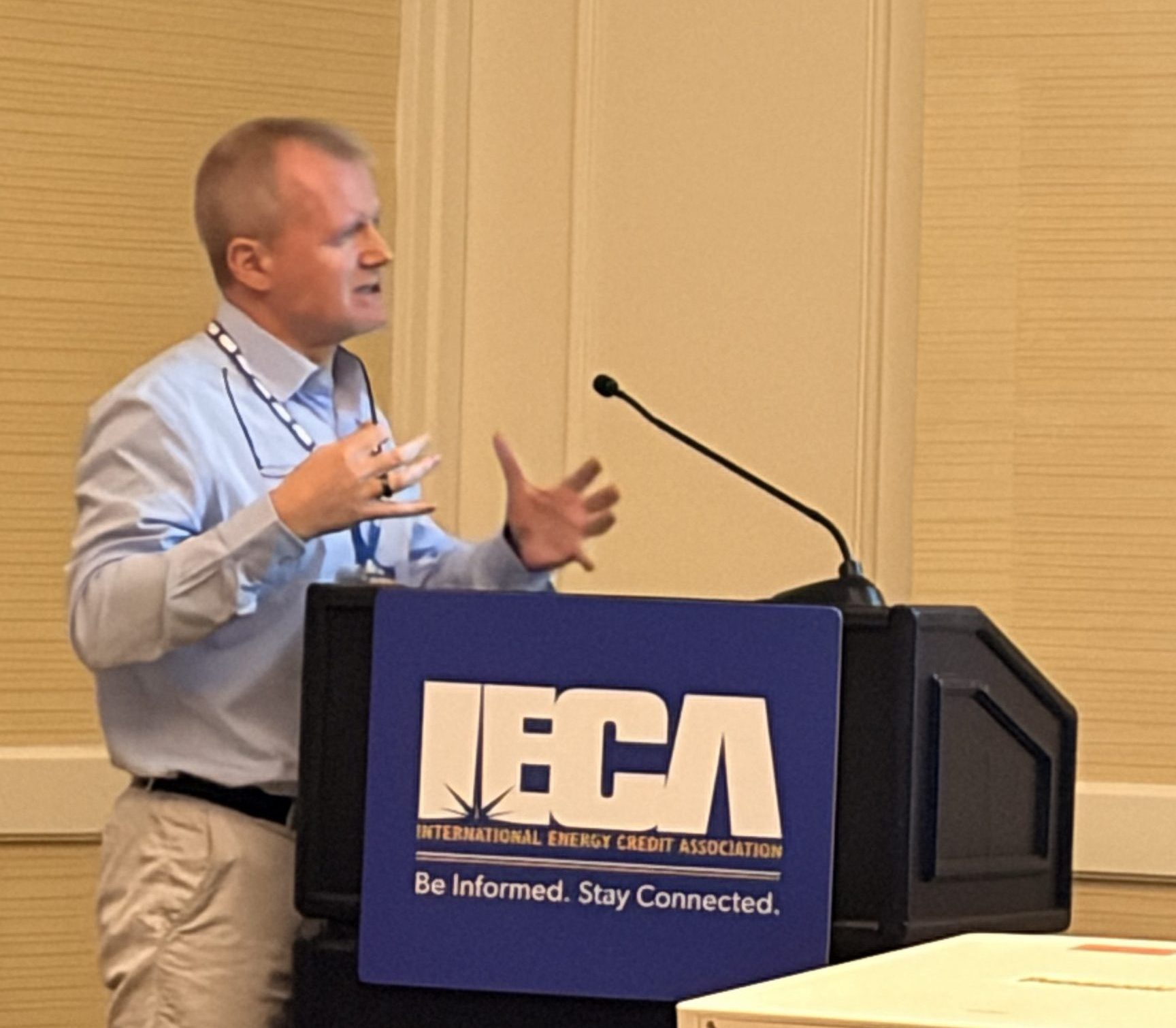
That was the starting point for our panel at the IECA Annual Conference in Orlando. Lee Campbell, President of CubeLogic, moderated a discussion with Paul Swoap (Tenaska), Ender Cheung (Cenovus) and Joshua Rogers (Castleton Commodities) on how energy credit teams prepare for shocks, whatever form they take.
Stories from the front line
Lee opened with a chart showing how volatility has spiked repeatedly in recent years. Each panellist then shared a shock they had lived through: Paul on Winter Storm Uri, Joshua on the US power crisis, and Ender on the financial crisis. [One or two lines on a standout anecdote]
Where traditional methods fall short
The panel discussed how firms have historically prepared, through PFE models, stress testing and regular scenario runs, and where those methods proved useful and where they fell short. One recurring point was whether traditional 95th-percentile approaches are still enough when recent shocks suggest the tails are fatter than assumed.
Lessons that carried forward
The panellists reflected on how lessons from earlier events, including the huge margin calls of 2022, shaped their response to more recent disruption around Iran and the Strait of Hormuz. That led into a discussion of OTC versus exchange-cleared trading, and whether that choice is now as much a credit decision as a trading one.
What best practice looks like now
The panel agreed that preparation starts well before a shock, with good counterparty onboarding data, accurate static data and the right legal clauses. They also discussed liquidity stress testing, scenario analysis, how the use of collateral has changed, and the value of a global view of supply risk.
Evolving the toolbox
With shocks becoming more frequent, the panellists described how their runbooks and credit policies have changed. Two themes stood out: faster decision-making backed by good data, and much closer collaboration across market risk, treasury, legal, contracts and operations. Credit risk is no longer just about price risk.
Thank you
Our thanks to Paul, Ender and Joshua for a candid discussion, to everyone who joined us and brought questions to the Q&A, and to the IECA for another excellent conference.